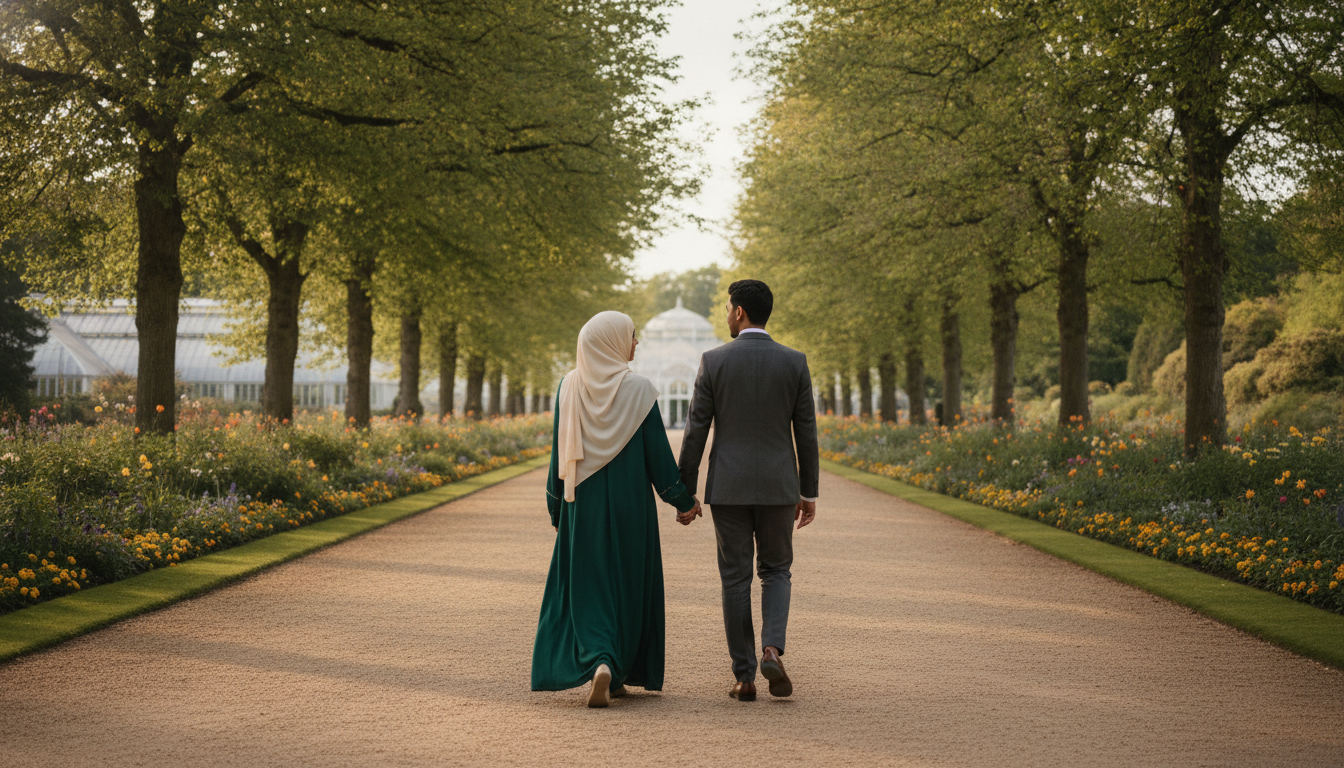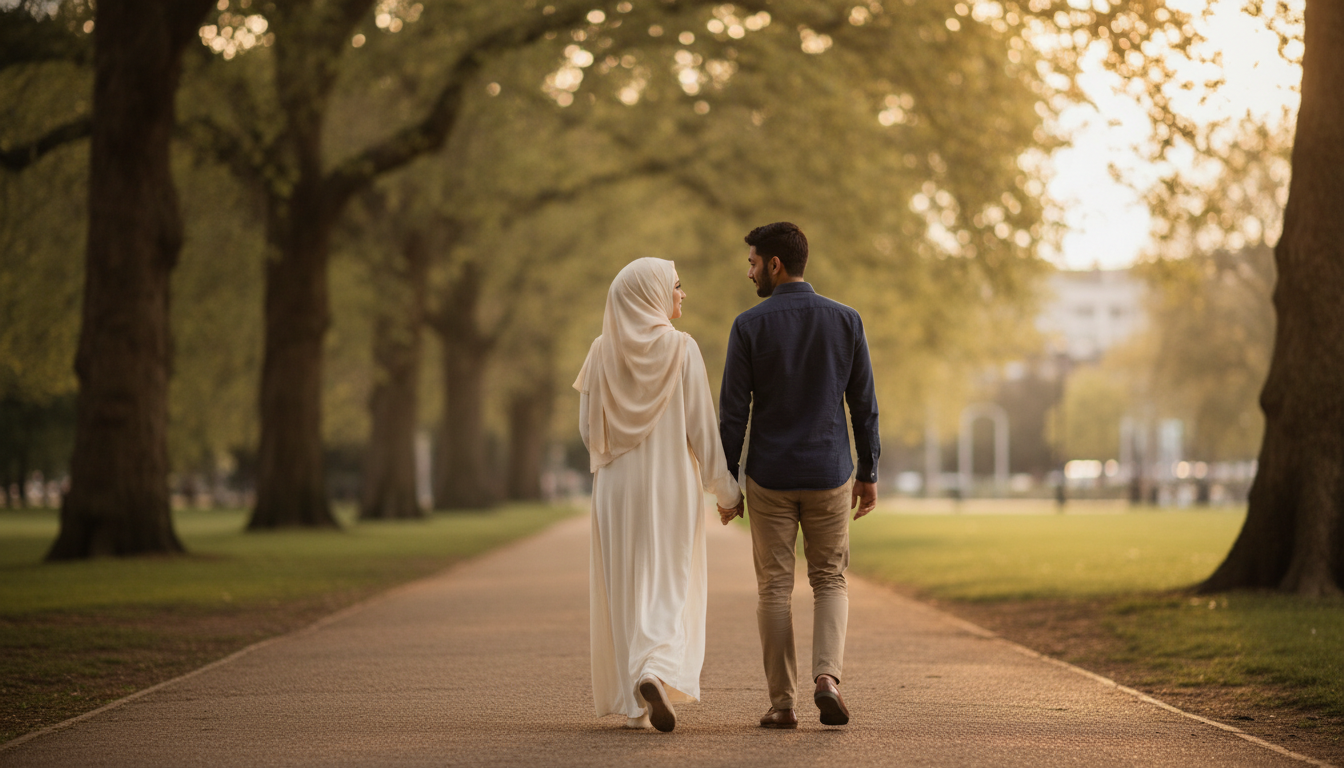
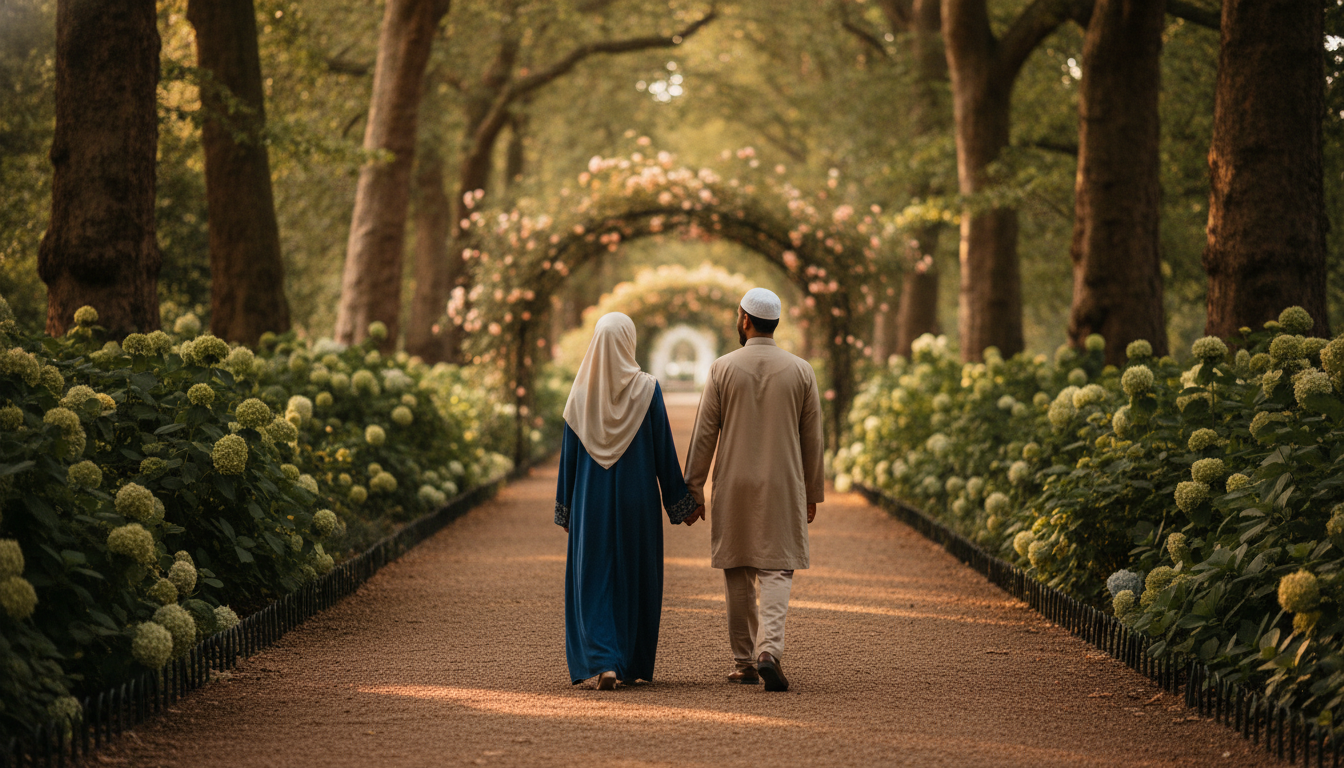
When dealing with cultural expectations in Muslim marriage, many men and women find themselves standing at a confusing crossroads. You want to honour your parents, celebrate your heritage, and respect long-standing family traditions. Yet, at the exact same time, you want your search and eventual marriage to reflect pure Islamic principles rather than societal pressure. Having spoken with thousands of individuals and families since 2011, I see this tension regularly. It is one of the most common hurdles people face when looking for a life partner. Culture and faith can live together in harmony, but only when we understand which one takes priority.
Understanding Cultural Expectations in Muslim Marriage vs. Islamic Values
Culture in itself is not an enemy of faith. In Islamic jurisprudence, recognized custom, known as 'urf, is respected as long as it does not contradict the Qur'an or the Sunnah (the tradition of the Prophet Muhammad, peace be upon him). Beautiful cultural customs, such as hospitality, generosity, and strong family ties, enrich our lives and add warmth to celebrations. The difficulty arises when cultural expectations in Muslim marriage begin to replace Islamic commands or create unnecessary barriers to a halal (permissible) union.
For instance, Islam encourages ease, simplicity, and focusing on character (akhlaq) and religion (deen). In contrast, modern cultural expectations often demand financial extravagance, strict ethnic matching, or unreasonable social status requirements. When culture demands what Islam makes difficult, or forbids what Islam makes easy, we must have the courage to realign our priorities.
When Family Tradition Clashes with Divine Guidance
Many singles find that their families hold rigid criteria regarding caste, specific village origins, or professional titles. While wanting a partner with a similar background is understandable, making these strict requirements often excludes pious, compatible, and wonderful individuals. Islamic compatibility, known as Kafa'ah in Islam, focuses primarily on religious alignment, moral character, and overall readiness for responsibility, rather than superficial social prestige.
Handling cultural expectations in Muslim marriage requires patience and deep respect for your parents. Most parents insist on certain cultural norms because they want security, familiarity, and dignity for their children. They worry about how society will judge the union. When you understand that their demands often come from a place of love and protective anxiety, you can address their fears with reassurance rather than anger.
Communicating Respectfully with Family and Your Wali
In Islam, honouring parents (birr al-walidayn) is a sacred obligation. You cannot build a blessed marriage by discarding family respect or burning bridges. If your family insists on cultural demands that contradict Islamic guidance, open a gentle, ongoing dialogue. Explain your intention (niyyah) clearly. Show them that choosing a spouse based on faith and character will bring long-term stability and barakah (divine blessings) into your home.
This is where understanding the true role of a wali in Islam becomes vital. A guardian is meant to protect, guide, and support a woman’s best interests, ensuring the prospective husband is responsible and upright. A wali is not meant to be an obstacle based on tribal pride or unrealistic financial conditions. When family members are involved early with transparency, respect, and proper Islamic understanding, many cultural misunderstandings resolve naturally.
Financial Pressures: Mahr, Weddings, and Expectations
Another major area where culture conflicts with faith is financial expectation. While Islam firmly protects a woman's right to her gift, by understanding mahr as a legal symbol of honour and commitment, modern culture sometimes turns it into a competitive price tag or a display of status. Similarly, large, expensive weddings that cause debt or severe financial stress directly oppose the spirit of simplicity advocated in the Sunnah.
Balancing cultural expectations in Muslim marriage doesn't mean rejecting your heritage entirely or refusing to have a joyful celebration. It means setting boundaries. It means choosing a wedding you can comfortably afford, focusing on genuine warmth and hospitality rather than showing off for distant relatives. When you start your marriage free from debt and societal strain, you create space for genuine affection and peace.
Practical Steps to Keep Islam First in Your Search
Finding a balance requires conscious effort, self-awareness, and clear communication. Here are practical steps you can take today:
- Define your non-negotiables: Separate what Islam requires (faith, character, emotional maturity) from what culture prefers (specific sub-cultures, high income, flawless background).
- Educate yourself on Islamic rights: Learn what Allah actually requires of a husband and a wife so you can distinguish divine guidance from cultural opinion.
- Speak with your family early: Do not wait until you have met someone to discuss criteria. Talk to your parents beforehand about what truly matters to you.
- Pray Istikhara: Seek divine guidance through Istikhara (the prayer of seeking counsel) whenever making big decisions, trusting that Allah knows what is best for your future.
- Practice Sabr (patience): Navigating family dynamics takes time. Stand firm on your Islamic values while remaining soft, polite, and patient with your elders.
Reflecting on What Truly Matters for Your Future
At the end of the day, culture will not live with your spouse in your home—you will. Cultural expectations may dictate how a wedding looks for one evening, but Islamic values determine how a couple treats each other through decades of life's trials and blessings. Clarity around cultural expectations in Muslim marriage helps avoid clash later, ensuring that your home is built on mutual respect, mercy (rahmah), and shared faith.
Ask yourself today: Am I choosing criteria based on what will please Allah and build a strong, peaceful home, or am I choosing to satisfy societal expectations? When your heart is clear, your search becomes much simpler.
If you are looking for a faith-centred approach where character and values take priority over algorithms, our team at Personal Match UK offers a discreet, offline personalised Muslim matchmaking service designed to support you and your family every step of the way.
Frequently asked questions
What if my parents reject a potential spouse purely because of ethnicity or culture?
Address the issue with patience, respect, and clear Islamic knowledge. Explain to your parents that Islam prioritises religious commitment and good character above cultural background. You can also involve a respected family elder, imam, or trusted scholar to help explain the Islamic perspective to them gently.
Is it wrong to prefer someone from my own cultural background?
No, it is completely natural to prefer someone who shares your language, customs, or cultural understanding, as long as it does not lead to arrogance or prejudice. Problems only arise when cultural background is treated as a strict religious requirement or used to reject good Muslims of solid character.
How do we handle different cultural wedding expectations between two families?
Open communication early in the process is essential. Both families should focus on what brings ease and blessing to the couple rather than competing standards. Aim for compromise on cultural traditions while strictly adhering to Islamic principles of moderation and avoiding financial hardship.