
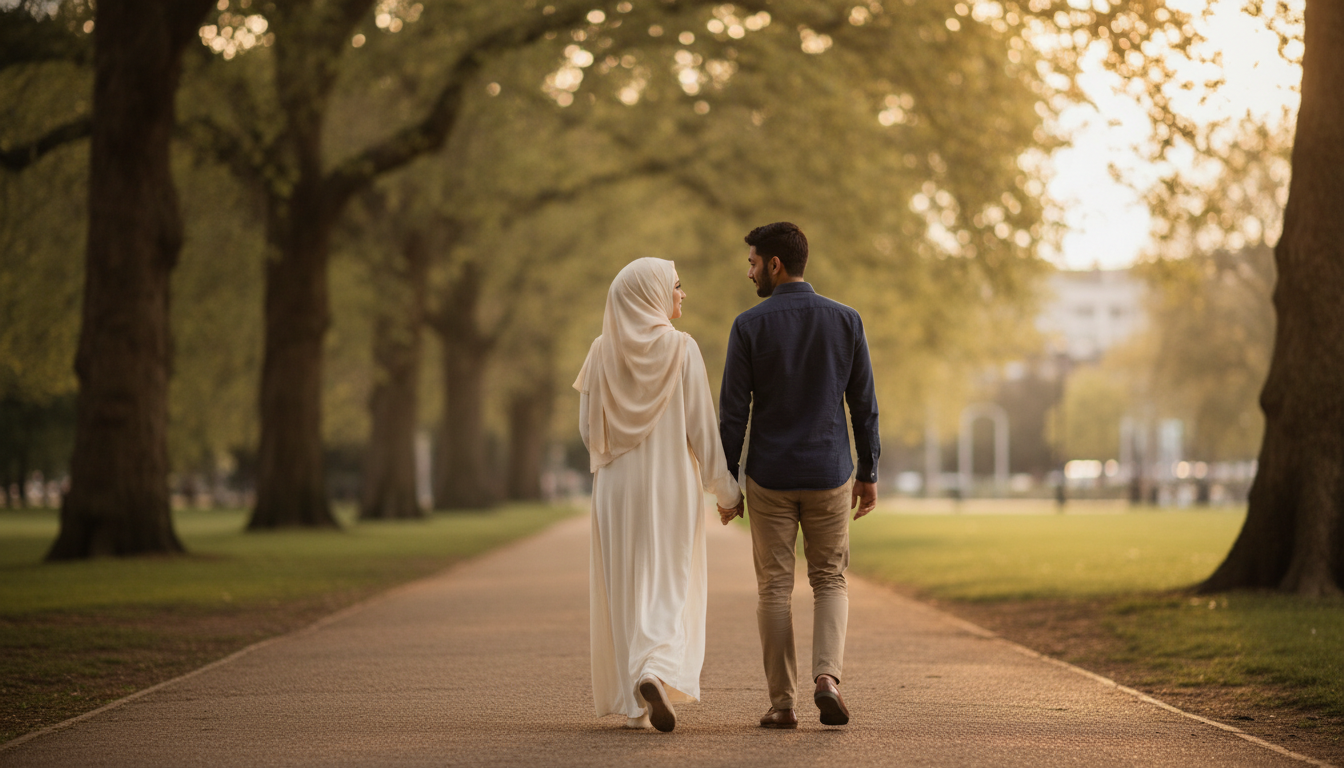
When preparing for marriage, knowing the right questions to ask a potential spouse can be the difference between a shallow impression and true long-term compatibility. Too often, conversations during the rishta (marriage proposal) process remain stuck on basic details—job titles, favourite hobbies, or superficial preferences. While these topics help break the ice, they rarely reveal how a person handles stress, treats their family, or lives out their obligations under Islam.
Marriage is a serious commitment built on shared values, emotional maturity, and mutual trust. Over years of coaching individuals and families across the UK and Dubai, I have seen how deeply transformative it is when two people move past pleasantries and ask the hard, honest questions before committing to a nikah (Islamic marriage contract). Doing so is not about interrogation; it is about seeking clarity with respect and purpose.
Why the Right Questions to Ask a Potential Spouse Matter
Many people approach marriage conversations like a job interview or, at the other extreme, a casual chat with no clear direction. Neither approach gives you the depth you need. You are not looking for someone who can recite polished answers; you are looking to understand their character (akhlaq), their mindset, and how they express their faith in everyday life.
Asking thoughtful questions helps you gain clarity before choosing a life partner. It shifts your focus from idealised romantic notions to the practical realities of sharing a home, managing finances, and navigating life’s inevitable challenges together.
Faith and Character: Beyond the Surface of Practice
It is easy for someone to say that faith is central to their life. What you want to understand is how that faith manifests in their daily decisions, personal discipline, and treatment of others.
- How does your practice of Islam influence your daily routine? Look for consistency in basic obligations like prayer (salah), earning a halal living, and how they choose to spend their free time.
- When you face frustration or anger, how do you handle it? Islam places immense value on controlling one’s temper. Pay attention to whether they take personal accountability or blame external circumstances when things go wrong.
- What does spiritual growth look like for you over the next five years? You want a partner who encourages your deen (faith) and actively seeks to improve their own character over time.
Family Expectations, Living Arrangements, and Boundaries
Family plays an important role in Muslim marriages, but establishing healthy boundaries as a couple is essential for long-term peace. Differing expectations around in-laws are a frequent source of tension if not addressed honestly before marriage.
- Where do you plan to live after the nikah? Discuss whether you will live independently, with extended family, or near parents. Be honest about what environment you need to thrive.
- How involved do you expect family to be in our private decisions? It is vital to show deep respect for parents while maintaining privacy and independence within your own marriage.
- What is the role of your family during this process? Understanding the role of a wali (guardian) and involving family appropriately ensures transparency and respect from the outset.
Finances, Mahr, and Household Responsibilities
Money matters are among the most practical considerations in married life. Clear, transparent discussions about financial expectations prevent misunderstandings and resentment down the road.
- How do you view financial roles and responsibilities in marriage? In Islam, the husband carries the financial responsibility of providing for the household, but modern couples often structure their arrangements in various ways. Discuss what balance works fairly for both of you.
- What are your expectations regarding the mahr? Having an open, realistic conversation about discussing the mahr (marital gift) ensures both parties feel respected without placing unnecessary financial strain on the union.
- Do you have existing debts or specific financial goals? Openness about financial habits, savings, and debts builds trust early in the process.
Conflict Resolution and Emotional Readiness
Disagreements will naturally happen in any partnership. What truly matters is how you navigate those moments together. Wanting to get married and being emotionally ready to build a marriage are not always the same thing.
- How do you communicate during a disagreement? Do they shut down, express anger, or approach problems calmly with a desire to resolve them?
- How have you processed past experiences or challenges? If you are speaking with someone who is divorced or widowed, approach their history with empathy and respect. A person's past does not diminish their worth, but how they have healed from it shapes their readiness for a new relationship.
- What does emotional support look like to you? Knowing how your potential spouse gives and receives comfort helps you build empathy and mutual understanding.
Life Goals, Parenting, and Future Aspirations
You are not just marrying someone for who they are today; you are choosing the person with whom you will build your future. Aligning on long-term vision ensures you move in the same direction.
- What are your views on raising and disciplining children? Discuss Islamic values, educational priorities, and parenting styles early to see if your visions align.
- How do you balance career ambitions with personal life? Ensure your expectations regarding work commitments, household duties, and quality time together are compatible.
- Are you open to relocating in the future? Whether staying in your hometown, moving across the UK, or considering opportunities abroad like working in Dubai, geographic preferences matter.
Navigating Conversations with Purpose and Patience
Gathering these insights takes time, patience, and the right environment. You do not need to cover every topic in a single meeting as if conducting an interview. Let conversations flow naturally over multiple discussions, involving family where appropriate and maintaining pure intentions (niyyah).
Once you have asked meaningful questions to ask a potential spouse and gained clarity, perform istikhara (the prayer of seeking guidance) and put your trust in Allah’s plan (tawakkul).
If you are looking for a faith-centred path to marriage without relying on superficial apps, our personalised Muslim matchmaking service offers a private, personal approach focused on genuine compatibility, character assessment, and Islamic values.
Take a moment today to reflect: Which area of married life—finances, family boundaries, faith, or emotional maturity—do you feel least prepared to discuss, and what step can you take today to gain clarity?
Frequently asked questions
What are the most important questions to ask a potential spouse before nikah?
The most vital questions cover religious practice, daily habits, financial expectations, family involvement, and how they handle conflict. Moving past shallow small talk allows you to understand their true character and emotional maturity.
How soon should you ask deep questions when getting to know someone for marriage?
Deep questions should be introduced gradually after basic compatibility is established. Early conversations can focus on values and life goals, while topics like finances, living arrangements, and family dynamics can be explored as interest grows.
Is it okay to discuss financial expectations and mahr before agreeing to marriage?
Yes, discussing financial responsibilities and mahr openly before nikah is essential and practical in Islam. Clear conversations around provision, budget management, and financial expectations prevent misunderstandings later.
How can I tell if a potential spouse is being sincere during conversations?
Look for consistency between what they say and how they behave over time. Involving family or using a vetted matchmaking service provides additional reference points to evaluate a person's true character.