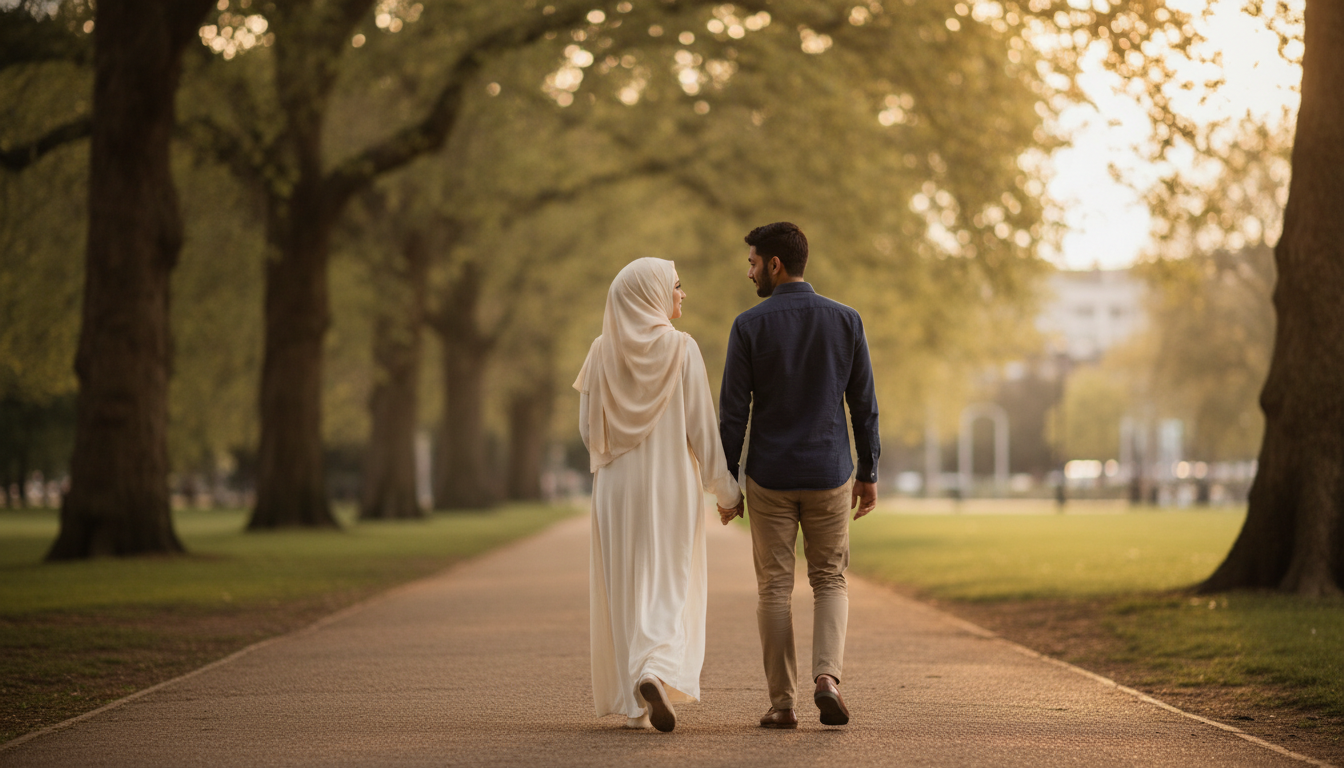

When looking for a life partner, many Muslims encounter the classical concept of kafa'ah. If you have ever wondered how kafaah in islam applies to modern life, you are not alone. In traditional legal texts, kafa'ah refers to suitability, balance, and compatibility between a man and a woman entering into marriage. Yet in modern conversations, the term is frequently misunderstood. Some treat it as a justification for cultural snobbery, insistence on specific professions, or rigid family status. Others dismiss it entirely, assuming that as long as two people are Muslim, nothing else matters. The reality taught by Islamic tradition lies between these two extremes. Understanding kafa'ah correctly can transform your approach to finding a spouse, shifting your focus from superficial checklists to the deep compatibility that sustains a lifelong nikah (Islamic marriage contract).
Understanding Kafa'ah in Islam: Purpose and Origins
Classical Islamic jurisprudence introduced kafa'ah not to build social barriers, but to protect the stability of the family. The core principle of kafaah in islam is about ensuring that a marriage begins on balanced ground, reducing friction that could lead to disharmony or divorce. Historically, scholars examined factors like religious practice, character, financial capacity, and social standing to determine whether a potential match was suitably aligned.
The primary objective was always safeguarding the welfare of both individuals, particularly protecting a woman from entering an unsustainable commitment where her standard of living or spiritual practice would be compromised. However, Islam clearly established that spiritual devotion (deen) and moral character (akhlaq) form the ultimate measure of any human being. When you examine how kafa'ah applies today, it becomes clear that it is a practical tool for compatibility, not a mechanism for discrimination or tribal pride.
Deen and Akhlaq: The True Core of Compatibility
The Prophet Muhammad (peace be upon him) instructed believers to prioritise character and religious commitment above all secondary factors when seeking a spouse. True compatibility begins with a shared spiritual compass. It is easy to assume that two people who both identify as Muslim will automatically share identical values, but practical expression of faith varies significantly.
When assessing compatibility in deen, look beyond basic religious obligations. Consider how faith shapes daily choices, decision-making, and moral integrity. Ask yourself:
- How does this person handle anger, disappointment, or disagreement?
- What role does faith play in their finances, career choices, and family relationships?
- Are your long-term spiritual aspirations aligned, or will you be pulling in opposite directions?
A partner who demonstrates genuine kindness, emotional self-control, and humility will navigate life's challenges far better than someone who checks academic boxes but lacks moral maturity. Spiritual compatibility means moving together towards Allah with shared intentions (niyyah).
Financial Realities and Economic Suitability
Financial balance is another component of kafa'ah discussed by classic and modern scholars. In Islamic jurisprudence, a husband bears the financial responsibility of providing reasonable maintenance, including housing, food, and clothing, according to his means. Compatibility here does not mean requiring a prospective husband to be wealthy; rather, it means practical readiness and realistic expectations.
Problems arise when families confuse financial kafa'ah with materialism. Demanding an exorbitant mahr (mandatory marriage gift from the groom to the bride) or requiring a groom to own property before marriage often stalls healthy matches unnecessarily. Real financial compatibility involves honest communication about expectations:
- Are both partners comfortable with the proposed standard of living?
- Is there mutual agreement regarding work expectations after marriage?
- How do both individuals approach budgeting, debt, and financial management?
Having clear, practical conversations early prevents financial resentment later. Having full clarity before choosing a life partner ensures that financial plans align with Islamic guidelines and personal reality.
Cultural Background, Lineage, and Family Dynamics
One of the most common misapplications of kafaah in islam occurs around ethnicity and cultural background. Islam explicitly rejects racial superiority and tribal discrimination. The Qur'an reminds us that humanity was created into nations and tribes so that we may know one another, not despise one another.
While shared cultural heritage can naturally make communication and family integration smoother, it is not an Islamic requirement for marriage. True compatibility in this area means understanding cultural norms, respecting family traditions, and determining whether differences can be bridged with mutual respect.
Navigating Family Expectations and the Wali
The role of the wali (Islamic guardian, usually the father) is designed to protect, support, and advise. A wise guardian looks for genuine suitability in character and faith rather than holding out for specific cultural origins or status symbols. Where family expectations conflict with sound Islamic principles, respectful dialogue and open communication are essential.
Emotional Maturity and Life Goals
Beyond financial and cultural aspects, emotional compatibility is critical for a lasting marriage. Two individuals can share the same background and religious practice, yet struggle if their communication styles and emotional maturity levels clash.
Consider how you both handle stress, express affection, and resolve conflicts. A successful marriage requires sabr (patience) and tawakkul (trust in Allah), alongside practical relationship skills.
Respecting Different Life Circumstances
Kafa'ah must also be applied with wisdom when considering individuals with diverse life experiences. Someone who is divorced and looking for a partner, a single parent, or a revert to Islam brings unique experiences and strengths to a relationship. True suitability is not about finding someone with an unblemished past according to societal standards; it is about finding someone whose current character, emotional readiness, and vision for the future complement yours.
Distinguishing Genuine Deal-Breakers from Rigid Expectations
Many single Muslims remain unmatched for years not because suitable partners do not exist, but because their criteria for kafaah in islam have become unnaturally rigid. There is a vital distinction between genuine deal-breakers—such as lack of religious commitment, dishonesty, or emotional instability—and flexible preferences such as height, minor age differences, or specific university qualifications.
When evaluating potential matches, ask yourself these essential questions:
- Is this requirement rooted in Islamic guidance, or is it driven by social pressure?
- Will missing this preference compromise the stability and happiness of my marriage five years from now?
- Am I expecting perfection in a partner while forgetting my own flaws?
Approaching the search with humility allows you to recognize a genuinely compatible match when they appear.
How Personalised Matchmaking Focuses on True Kafa'ah
Finding genuine compatibility through online platforms can be frustrating, as algorithms and photo-centric apps often prioritize superficial traits over character. This is why a private, offline approach offers a meaningful alternative.
At PMUK, we focus on understanding individuals deeply before suggesting introductions. Through our personalised Muslim matchmaking service, we take the time to learn about your values, personality, life goals, and spiritual outlook. Rather than relying on automated scores, our team carefully considers true kafa'ah to help you meet people who share what genuinely matters. Before making any commitment, seeking guidance through istikhara (the prayer for guidance) and consulting your family ensures your decision is grounded in faith and wisdom.
Take a quiet moment to review your marriage criteria today. Are your expectations focused on deep character and practical compatibility, or have external pressures shaped your list? When you align your search with true Islamic principles, finding a life partner becomes a clear, purposeful journey.
Frequently asked questions
What does kafa'ah mean in Islam?
Kafa'ah is the Islamic concept of suitability and compatibility between a potential husband and wife. It aims to ensure a balanced foundation for marriage by considering alignment in religious commitment, moral character, and practical life expectations.
Is cultural background a required part of kafa'ah?
No, identical cultural or ethnic background is not an Islamic requirement for kafa'ah. While cultural alignment can ease family integration, Islam explicitly rejects racial discrimination, placing the primary focus of compatibility on faith and character.
Can a woman marry someone of a different social or financial background?
Yes, provided both individuals and the family agree and understand the practical expectations of the marriage. Financial readiness and maintenance are important considerations in kafa'ah, but luxury and status are not Islamic requirements.
How do I know if I am compatible with a potential spouse?
True compatibility is revealed through open conversations about life goals, spiritual values, communication styles, and family expectations. Praying istikhara (seeking Allah's guidance) and involving wise family members or mentors also helps clarify suitability.