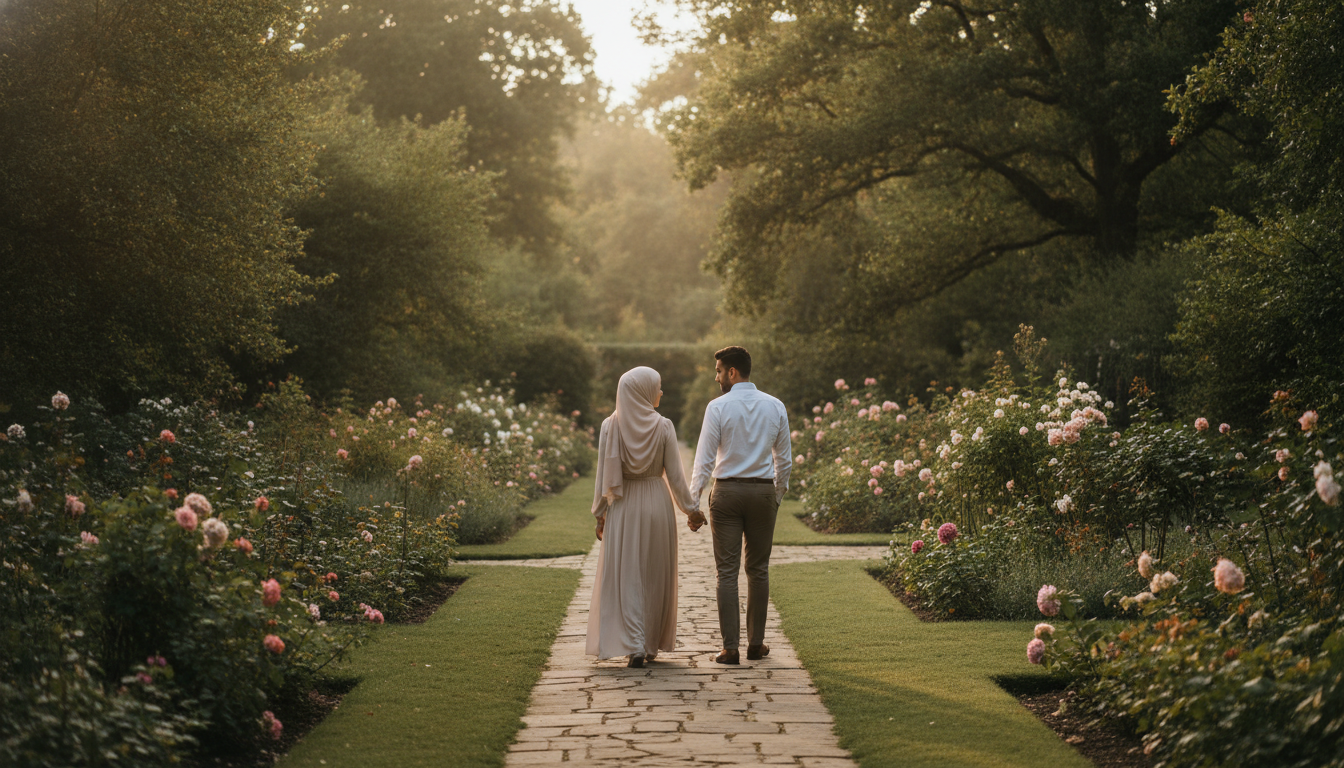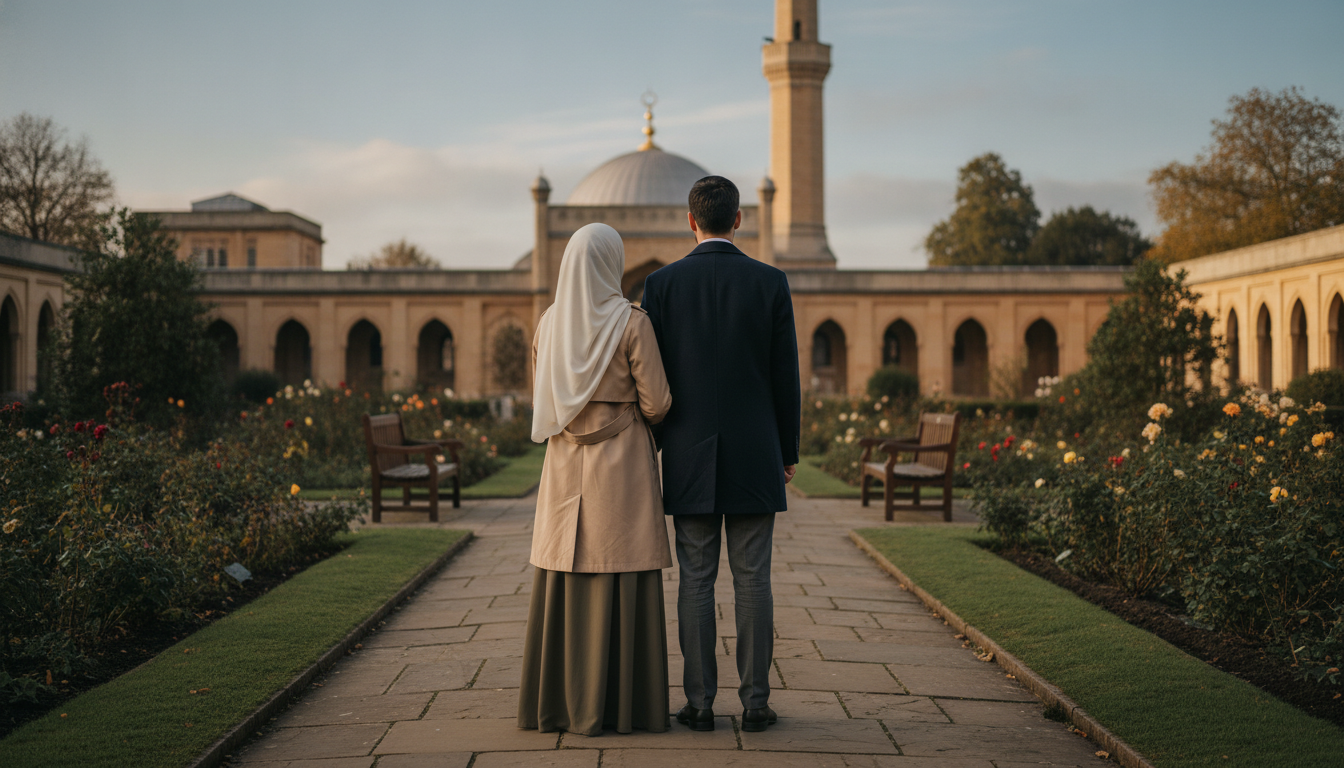

Having realistic expectations for Muslim marriage is often the single biggest factor determining whether someone finds a compatible spouse or remains stuck in an endless cycle of searching. Since 2011, I have sat down with hundreds of single Muslims and families across the UK and Dubai, listening to their hopes, fears, and criteria for a life partner. What becomes clear very quickly is that while everyone wants a successful, loving union, many people are looking for a fictional character who simply does not exist.
Marriage is one of the most significant commitments you will ever make in this life. It is the building block of family and a means of completing your deen (faith and way of life). However, when your criteria become so rigid that no real human being can satisfy them, the search becomes exhausting. Setting grounded expectations is not about settling for less; it is about knowing what actually creates a peaceful, enduring home.
The Checklist Trap vs Genuine Compatibility
It is entirely normal to have preferences regarding age, career, appearance, and family background. The problem arises when preferences are treated as absolute deal-breakers. In our work, we often see criteria lists that read like a wishlist for a custom-made human: an executive career, flawless appearance, deep religious knowledge, perfect humour, and total alignment on every single opinion.
When you demand perfection in every area, you inadvertently close the door on wonderful people who could make exceptional life partners. Real compatibility is not about finding someone who ticks fifty arbitrary boxes. It is about shared core values, mutual respect, emotional maturity, and a genuine willingness to grow together.
Separating Needs from Wants
To break free from checklist fatigue, try splitting your expectations into three clear categories:
- Non-negotiables: Core Islamic values, honesty, good character, emotional stability, and mutual respect.
- Important preferences: Life goals, general lifestyle, career alignment, and location.
- Bonus traits: Shared hobbies, specific height, exact educational institution, or highly specific personality nuances.
If someone meets your non-negotiables and important preferences, give the introduction a fair chance. You might be surprised at how quickly minor missing items on your bonus list become completely irrelevant.
Attraction Is a Garden, Not Just a Flash of Light
One of the most common misconceptions I encounter is the belief that physical attraction must strike like lighting the very second you meet someone. While attraction is essential in Islam, expecting instant, overwhelming spark can lead to dismissing brilliant potential partners prematurely.
True attraction often develops gradually as you observe how someone speaks, how they treat others, their kindness, and their character. Islam encourages us to look for someone whose presence brings peace (*sakinah*). A quiet, comfortable warmth that grows over two or three chaperoned conversations is frequently far more reliable than an intense initial rush of chemistry that fades just as quickly.
When you focus on character and warmth, physical attraction often follows naturally as you come to appreciate the person inside. If you find yourself consistently turning people down after a single polite meeting because you did not feel an instant spark, it may be time to re-evaluate your timeline for connection.
Understanding Kafa'ah and Cultural Pressure
Cultural expectations often inflate marriage criteria beyond what Islam requires. Families sometimes place heavy emphasis on specific sub-cultures, cast, financial status, or prestigious job titles. While kafa'ah in Islam refers to compatibility and equality between spouses—primarily in faith, character, and general social standing—it was never meant to be a tool for snobbery or exclusion.
When family pressure demands a partner who satisfies societal pride rather than your personal wellbeing, it is important to have calm, respectful conversations. Remind your family of what the Prophet (peace be upon him) taught regarding character and religious commitment as the primary foundations for a successful marriage.
"If there comes to you one with whose character and religious commitment you are pleased, then marry to him." — Paraphrased from Sunan at-Tirmidhi
Focusing on what truly matters in Islamic teachings protects you from passing up righteous, caring candidates simply because they do not fit an outdated cultural mold.
Respecting Different Life Circumstances
Having realistic expectations for Muslim marriage also means recognising that life does not follow a single path for everyone. Many Muslims seeking marriage are entering a new chapter after divorce, or are searching while raising children as a single parent. A person’s marital history or family setup does not diminish their worth, capacity for love, or ability to build a flourishing home.
If you are considering someone who was previously married, look at who they are today, their maturity, and how they have reflected on their past. For those who are divorced and looking for a partner, having realistic expectations includes being honest about your readiness, clear about your emotional boundaries, and open to receiving love without carrying old hurts into a new relationship.
Empathy goes both ways. When both individuals enter conversations with compassion (*rahmah*) and an open heart, potential obstacles turn into opportunities for deep understanding.
Are You Ready for the Partner You Are Asking For?
An honest search requires turning the mirror on yourself. It is easy to draft a high standard for a potential spouse, but it is equally vital to ask: Am I exhibiting the traits I am seeking?
If you want a spouse who is patient, financially responsible, emotionally grounded, and dedicated to their faith, work on developing those exact qualities within yourself. Marriage is a partnership of two givers, not two receivers trying to balance a ledger. Before demanding perfection from someone else, focus on your own personal growth and spiritual readiness.
Before moving forward with anyone, taking time for self-reflection helps ensure that your search is guided by sincerity rather than unrealistic ideals. Understanding why clarity matters before choosing a life partner will save you and your potential spouse unnecessary heartache.
Moving Away from Swiping Towards Intentional Matchmaking
The modern culture of endless options—driven by swiping apps—has conditioned many people to treat potential spouses like disposable online profiles. When another option is always a swipe away, people become overly critical, discarding great matches over tiny flaws.
This endless searching leads to fatigue, cynicism, and frustration. At PMUK, we intentionally operate offline. We take the time to speak to each person, understand their values, background, and practical expectations, and only introduce individuals where genuine compatibility exists. If you are tired of modern app algorithms and want an intentional, faith-centred path, exploring our personalised Muslim matchmaking service can offer a much needed, human touch.
A Practical Step to Reset Your Approach
If you feel stuck or disheartened by your search, take a step back this week and complete this simple exercise:
- Write down your current list of marriage criteria on a piece of paper.
- Circle your top five absolute non-negotiables (focusing on character, faith, and basic compatibility).
- Look at the remaining items and ask yourself honestly: Would I really turn down a kind, God-fearing, compatible person because of this?
- Cross out anything that belongs to pride, external pressure, or superficial perfection.
Make *dua* (supplication) for Allah to grant you clarity, remove unnecessary rigidity from your heart, and guide you towards a spouse who will be a source of comfort in this life and the Next. Put your trust in Him (*tawakkul*), take practical steps, and approach each candidate with fairness and respect.
If you would prefer a thoughtful, private, and tailored search guided by experienced matchmakers who understand your values, the team at PMUK is always here to support your journey.
Frequently asked questions
What is the difference between deal-breakers and preferences in Muslim marriage?
Deal-breakers are essential core values, such as religious commitment, fundamental character traits, and basic lifestyle alignment, without which a marriage cannot function. Preferences are secondary traits, such as specific hobbies, height, or exact job titles, which are nice to have but should not prevent you from considering an otherwise compatible person.
How long should I wait for physical attraction to grow?
Physical attraction does not always happen instantly. If there is a basic sense of comfort and no physical repulsion, it is advisable to give it two to three respectful meetings, as appreciation for character, manners, and intellect often causes physical attraction to develop naturally.
How can I manage my family's high expectations for my marriage partner?
Communicate openly with your family by distinguishing between Islamic requirements for compatibility (kafa'ah) and purely cultural desires for status. Respectfully remind them of prophetic teachings that prioritize character and faith over superficial prestige.
Does having realistic expectations mean settling for less?
No, setting realistic expectations is about prioritizing genuine human compatibility, emotional maturity, and shared values over perfectionist checklists. It ensures you do not reject great, righteous partners over minor, unimportant flaws.